The Third Ear Method to End
the Cycle of Couples' Conflict
How to stop the arguments, even if you think you can't.
Why do we have the same
argument over and over?
Your relationship is unique.
Your arguments are NOT.
That's because you're using the same speech pattern we all learned.
But you'll never stop arguing if you don’t know what’s causing it, and most people don't know what that is.
Here's the thing: most arguments have a very specific cause, and it's hiding right in your everyday language.
It's a very common pattern of speech that is easy to recognize and avoid once you see it.
When I first started noticing this pattern I couldn't believe how much I was using it myself.
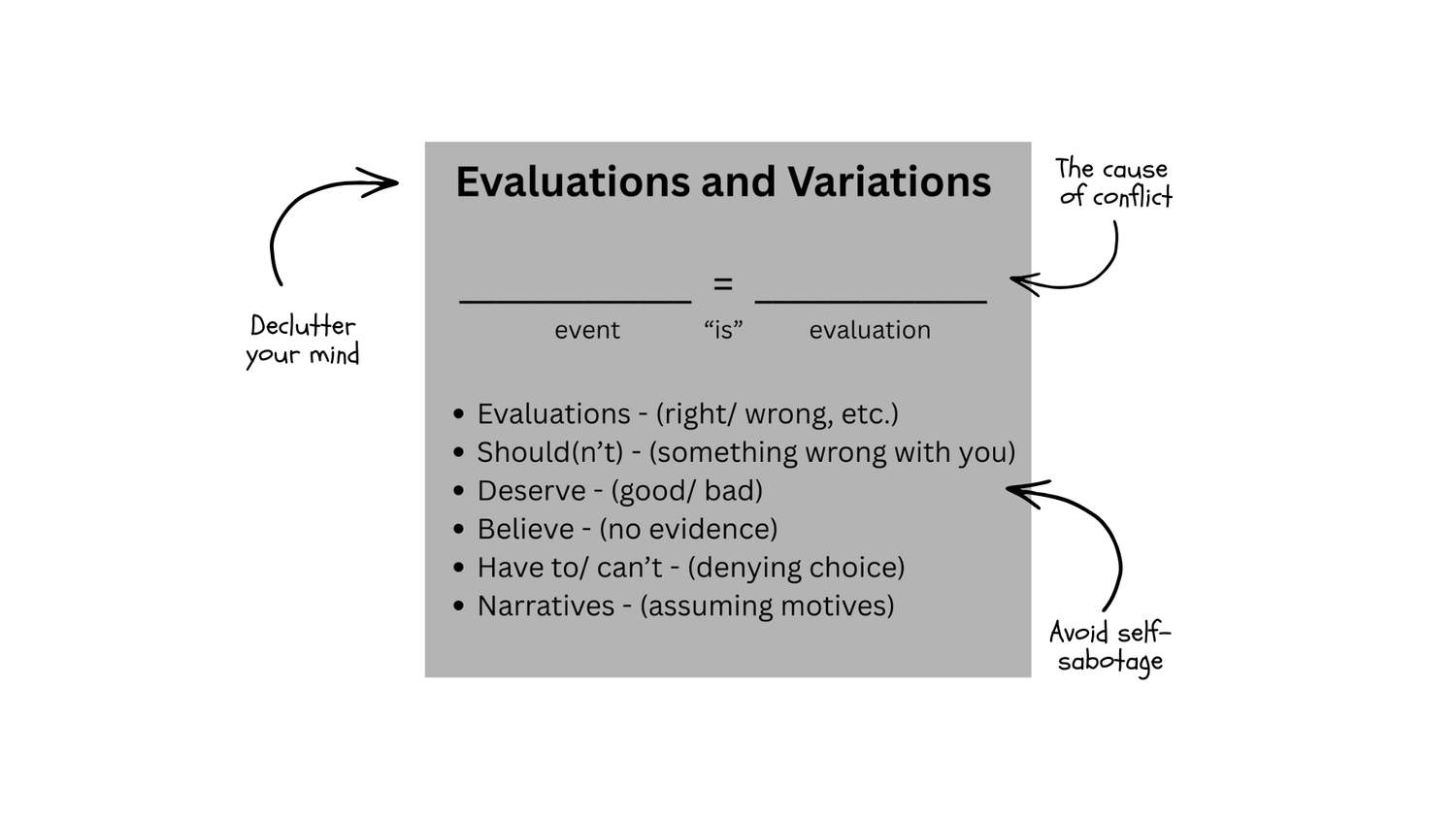
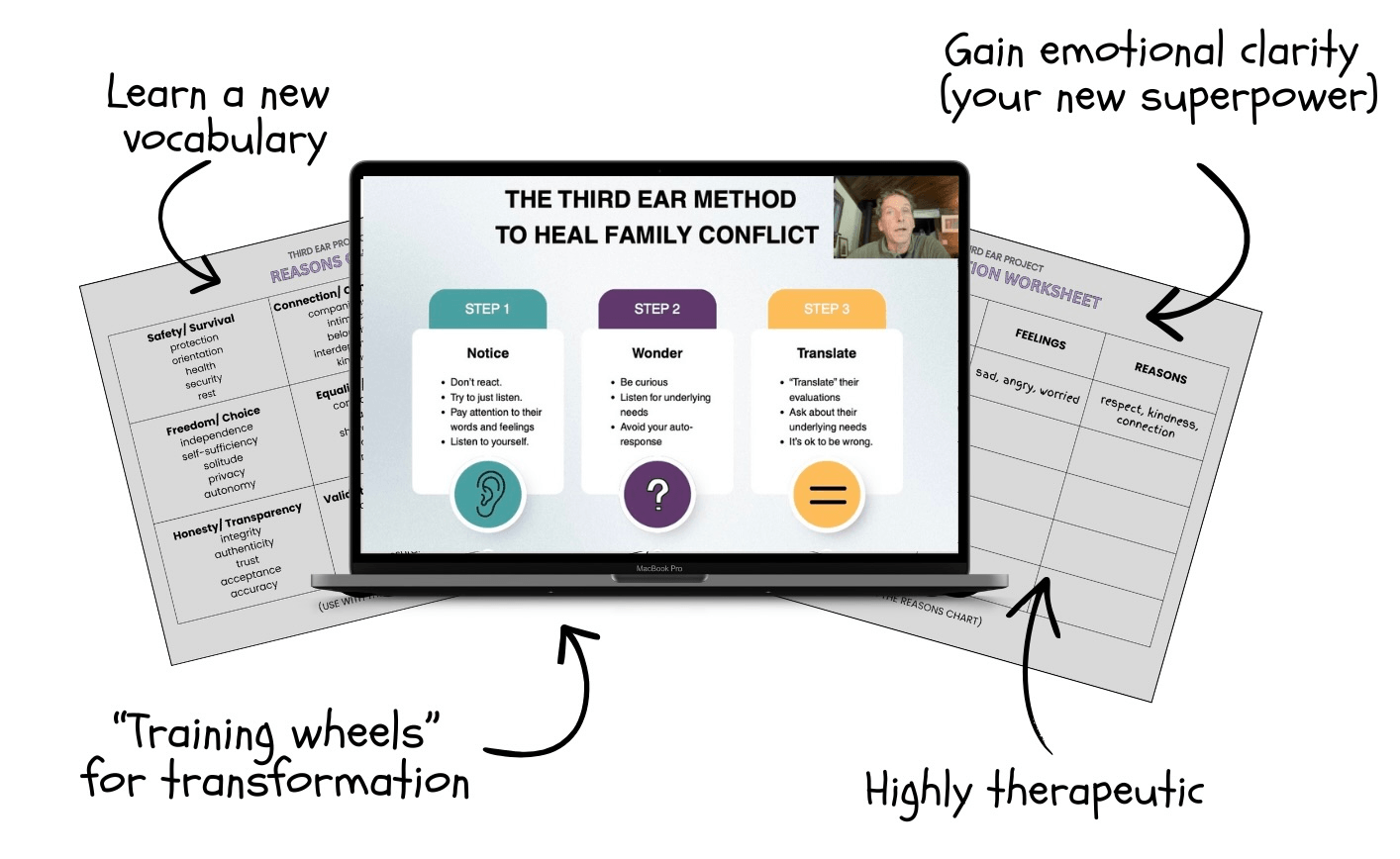
You'll learn exactly what this pattern is, how to avoid it, and what to do instead to stop arguments before they start.
It won't change your issues or differences, but it will keep you from repeating the cycle.
Learn to identify this common pattern and you're halfway there.
Ok, so what do I do instead?
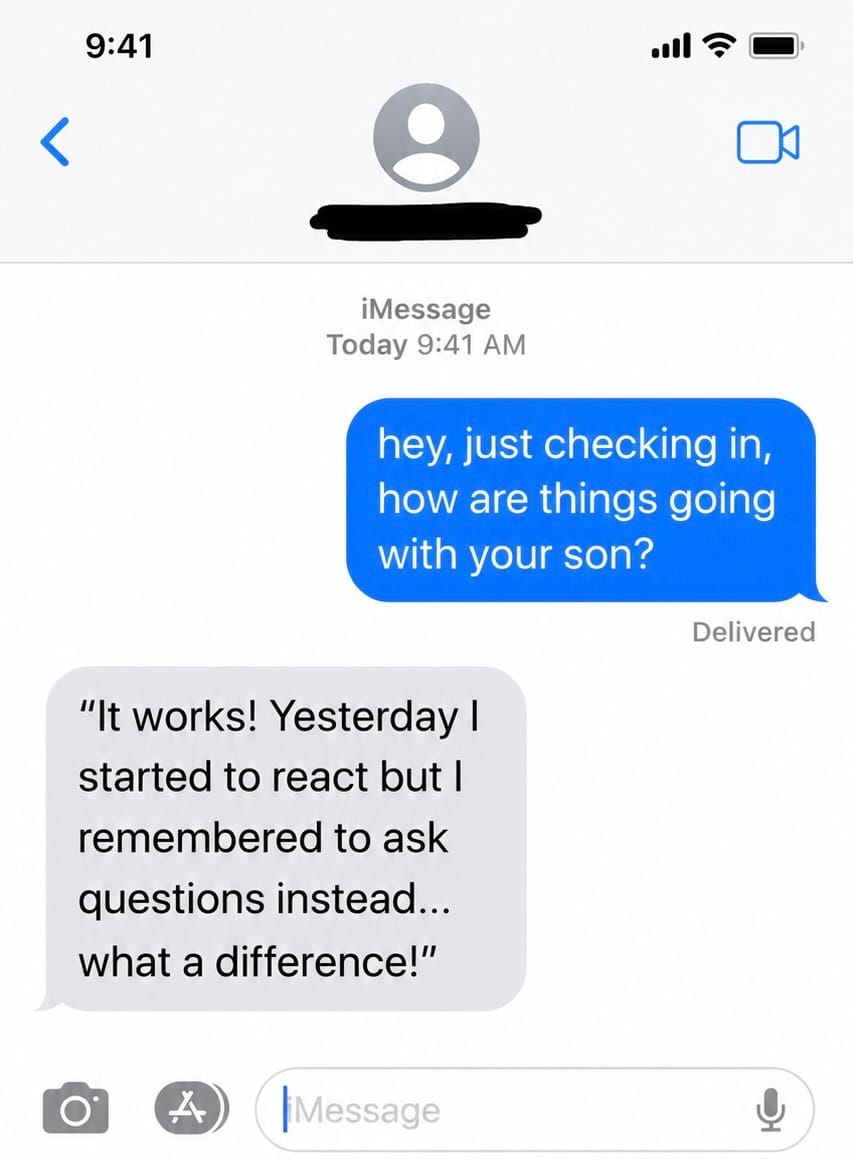
Once you start avoiding that pattern you'll notice an immediate improvement in your family dialogue, but you still have to replace it with something else.
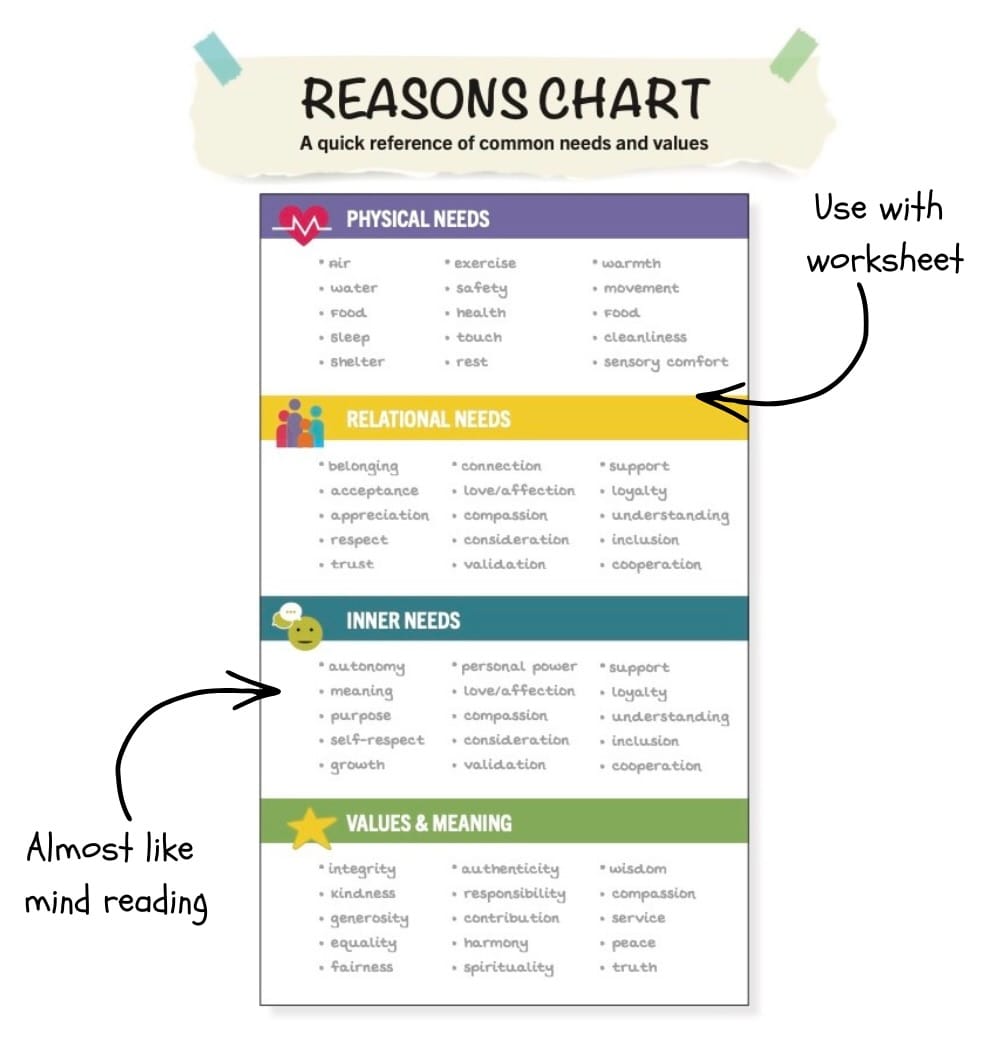
To do that you have to understand the legitimate reasons for what your kids are saying and doing.
Once you understand these reasons, you will develop a natural curiosity about them.
The trick is to realize that it's never about what it's about.
Next time your kids say something hurtful, you'll know not only how and why to not take it personally, but also how to help them feel heard and validated instead.
You'll be able to de-escalate the tension, clarify the issues, and create some understanding, all in one move.
The trick is to realize that it's never about what it's about.
Next time your kids say something hurtful, you'll know not only how and why to not take it personally, but also how to help them feel heard and validated instead.
You'll be able to de-escalate the tension, clarify the issues, and create some understanding, all in one move.
The trick is to realize that it's never about what it's about.
Next time your kids say something hurtful, you'll know not only how and why to not take it personally, but also how to help them feel heard and validated instead.
You'll be able to de-escalate the tension, clarify the issues, and create some understanding, all in one move.
What if I'm too scared to
even try another conversation?
That’s normal too.
You're walking on eggshells and avoiding obvious problems.
Completely understandable.
Using my worksheets and exercises you will better understand past arguments and be prepared for a totally different conversation.
The painful past is the past.
But learn to listen with your Third Ear and you'll have a whole new future to look forward to.

You love your kids.
You hate the fights.
You've tried everything, but nothing has worked.
The Third Ear Method is an unusual and effective approach to a common problem.
You’ll have more calm, clarity, confidence and connection.
And you'll start to see your kids in a whole new light.
You love your kids.
You hate the fights.
You've tried everything, but nothing has worked.
The Third Ear Method is an unusual and effective approach to a common problem.
You’ll have more calm, clarity, confidence and connection.
And you'll start to see your kids in a whole new light.
Frequently Asked Questions
Q: What if I don’t agree with them?
A: It's not about agreement, it's about mutual understanding and connection. The Third Ear Method helps you recognize that there's a valid reason for what they're saying, and learn to hear it, no matter how they say it.
Q: Does it work with teenagers?
A: It's not about their age, it's about their humanity. It works the same for teenagers as it does for elders, for parents, for spouses. You will soon see anyone you're talking to in a new light of empathy and humanity.
Q: What if I’m the one who’s angry?
A: The same method works with your own reactions. The included worksheet and word lists help you identify what's really driving your anger — even from past situations that are still alive for you and unresolved.
Q: How long does it take to complete?
A: The course itself is only 20 minutes. The simple exercises can be used again and again with old conflicts and new situations. And you have 30 days to try it and see results — or receive a full refund.
Frequently Asked Questions
Q: What if I don’t agree with them?
A: You don't have to agree. The Third Ear Method helps you recognize that there's a specific, valid reason for what they're saying — and how to listen for it, no matter how they say it.
Q: What if I’m the one who’s angry?
A: The same method works with your own reactions. The included worksheet and word lists help you identify what's really driving your anger — even in past situations that still feel unresolved.
Q: Does it work with teenagers?
A: Yes. The Third Ear Method can help you listen beyond a teenager's angry words and get curious about what really matters to them. They don't need to know the method for you to start using it.
Q: How long does it take to complete?
A: The course itself is only 20 minutes. The simple exercises can be used again and again with old conflicts and new situations. And you have 30 days to try it and see results — or receive a full refund.